
As you know I sometimes get asked to speak at conferences. Usually I am the ‘patient story’ or ‘patient journey’. I find it all too embarrassing and would hate any sort of sympathy so I make it into a funny story. Its the only way I can cope.
This week, I was asked to speak at a bladder and bowel event for clinicians.
With fantastic organisation I was given train ticket, hotel, bed, dinner and breakfast .
By sheer miracleness I caught up with myself and was only an hour late arriving on account of tending to the sick at home.
Dinner was great, hilarious conversations. Clinicians like teachers can tell the most ghastly of stories in the most funny of ways.
Bed was fantastic. Breakfast too. ….what could possibly go wrong?
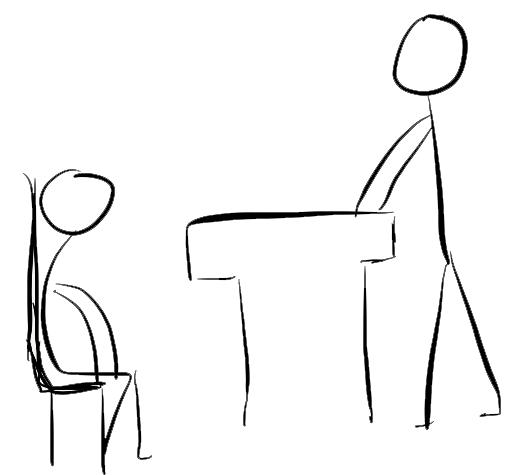
Well instead of my usual funny story, I was to be interviewed. Changing the emphasis to modelling good practice. How to talk patients into talking. How to get reluctant patients into accepting treatment plan. Indeed adhering to treatment plan.
Well I was interviewed. I talked all right. No funny jokes. No poetic licence. No PowerPoint slides with obligatory youtube clip. No props. No references. No nuffink.
The interviewer asked me to describe the day I was told my treatment plan would now be to self-catheterise. I told it as it was. The whole ‘shades of grey’ nightmare of urodynamics*. the train ride home sitting on a grubby floor clutching my first sample pack. The anxious questions rebuffed by me when I did get home. ( *Urodynamics is a test to see how the bladder works or not. It involves catheter in bladder bowel and fluid introduced to see the effect on x-ray screen. It can be done sensitively. On the other hand it can be horrific).
A silence greeted my last words….the Q and A was terrible. Three clinicians at the back took it upon themselves to argue that the story could not possibly be true. ( Blimey they should hear the rest of it!!) They asked when this had occurred. Thinking it must be 1901 I guess. They quoted the Francis Report. This report in 2013 was meant to embarass the world of continence into acknowledging dignity and self esteem.
In fact so in denial were this trio that they refuted the interviewer’s attempt to say ‘ we are trying to understand the patient story, not JUDGE the patient story’ they would have nothing of it. Indeed they did not reappear after the tea break. They simply buggered off leaving their name badges and papers behind. Great. I guess they got their revalidation points in any case.
What does this mean? They maybe work in a fantastic area where the continence service is well resourced, financed and respected. Perhaps they do. Perhaps they actually do not understand their patients nor want to listen to them nor understand the patient story. So much easier to take a didactic approach. Tell the patient what you think they should do know and be.
Perhaps they would have preferred my usual crazy talk with PowerPoint YouTube and props …remember the flower vase I used for demonstration of pads!?
I must hasten to add the final session ( without them) was one of the most understanding empathetic I have yet to deliver. The rest of the clinicians were wonderful and indeed quoted similar stories to mine and worked out ways to make things better.
First, do no harm.

 Daily Stent. I cannot cure you but I can make you laugh (citation Jerome)